how long to lose weight after stopping birth control Gaining birth
Starting a new chapter in your life often means making changes and adjustments, and one such change might be the decision to stop taking birth control. Whether you’re looking to start trying for children, or simply feel that it’s the right time for your body to take a break from hormonal contraception, there are a few things you should know about the process of stopping birth control. One common concern for many women is the potential for weight gain after stopping birth control. While there is no concrete evidence to suggest that birth control pills directly cause weight gain, many women do notice changes in their weight and body composition when they stop taking the pill. This can be due to a variety of factors, such as fluctuating hormone levels and changes in appetite, but there are some steps you can take to reduce your risk of gaining weight after stopping birth control. Here are 12 tips to help you stop gaining weight after stopping birth control: 1. Be mindful of your calorie intake. If you’re used to relying on birth control to regulate your appetite, it can be easy to overeat once you stop taking the pill. Keep track of your daily calorie intake and make sure you’re eating a balanced diet. 2. Stay active. Exercise is one of the most effective ways to maintain a healthy weight, and it also has numerous other health benefits. Find a physical activity that you enjoy and try to incorporate it into your routine. 3. Drink plenty of water. Staying hydrated can help boost your metabolism and keep your body functioning optimally. 4. Choose healthy snacks. Instead of reaching for junk food or sugary treats when you’re feeling peckish, opt for nutritious snacks like nuts, fruit, or vegetables. 5. Get enough sleep. Studies have shown that lack of sleep can disrupt your metabolism and lead to weight gain. 6. Be patient. It can take time for your body to adjust to life without hormonal birth control, so don’t be too hard on yourself if you don’t see immediate results. 7. Consider non-hormonal birth control options. If you’re concerned about the potential side effects of hormonal contraception, there are numerous non-hormonal options available. 8. Talk to your doctor. If you’re experiencing significant weight gain or other negative side effects after stopping birth control, it’s important to speak to your healthcare provider. 9. Don’t rely on fad diets or miracle cures. There is no single magic solution for weight loss or weight maintenance, so be wary of any products or diets that make unrealistic claims. 10. Be kind to yourself. Remember that your worth is not determined by your weight or your appearance. 11. Keep a positive mindset. Focusing on the positive changes that come with stopping birth control, like improved mood or better sex drive, can help you stay motivated. 12. Seek support. Talking to friends, family, or a therapist can be helpful if you’re struggling with the emotional or physical changes that come with stopping birth control. While stopping birth control can be a big decision, it’s important to remember that it’s ultimately up to you to decide what’s best for your body. By staying informed and taking care of yourself, you can navigate this transition with confidence and ease. Chances of Getting Pregnant after Getting off Birth Control If you’re considering stopping birth control because you’re looking to get pregnant, it’s important to understand how the process works. Depending on the type of birth control you’ve been using, it may take some time for your fertility to return to normal. Birth control pills, for example, work by suppressing ovulation, so it may take some time for your body to start producing eggs again after you stop taking them. On average, it can take anywhere from a few weeks to a few months for fertility to return, though some women may experience longer or shorter wait times. Other types of birth control, like the Depo-Provera shot, can cause a longer delay in the return of fertility. This form of birth control can cause an average delay of 10 months, though some women may experience delays of up to 18 months. It’s also important to remember that fertility is unpredictable, and just because you’ve stopped taking birth control doesn’t guarantee that you’ll become pregnant right away. Other factors, like age, overall health, and fertility issues, can all impact your chances of conception. If you’re concerned about your fertility after stopping birth control, talk to your healthcare provider. They can help you understand your options and provide guidance on how to optimize your chances of getting pregnant. With a little patience and perseverance, you can successfully make the transition from birth control to motherhood.
If you are looking for Birth Control That Will Help With Weight Loss - WeightLossLook you’ve came to the right place. We have 5 Pictures about Birth Control That Will Help With Weight Loss - WeightLossLook like Chances of Getting Pregnant after Getting off Birth Control | SheCares, Weight Loss After Stopping Birth Control - WEIGHTLOL and also Chances of Getting Pregnant after Getting off Birth Control | SheCares. Here you go:
Birth Control That Will Help With Weight Loss - WeightLossLook
 weightlosslook.blogspot.comloss
Your Complete Guide To Quitting Your Birth Control | Women’s Health
 www.womenshealthmag.compills quitting stopping ring womenshealthmag clinic need
Weight Loss After Stopping Birth Control - WEIGHTLOL
 weightlol.blogspot.comChances Of Getting Pregnant After Getting Off Birth Control | SheCares
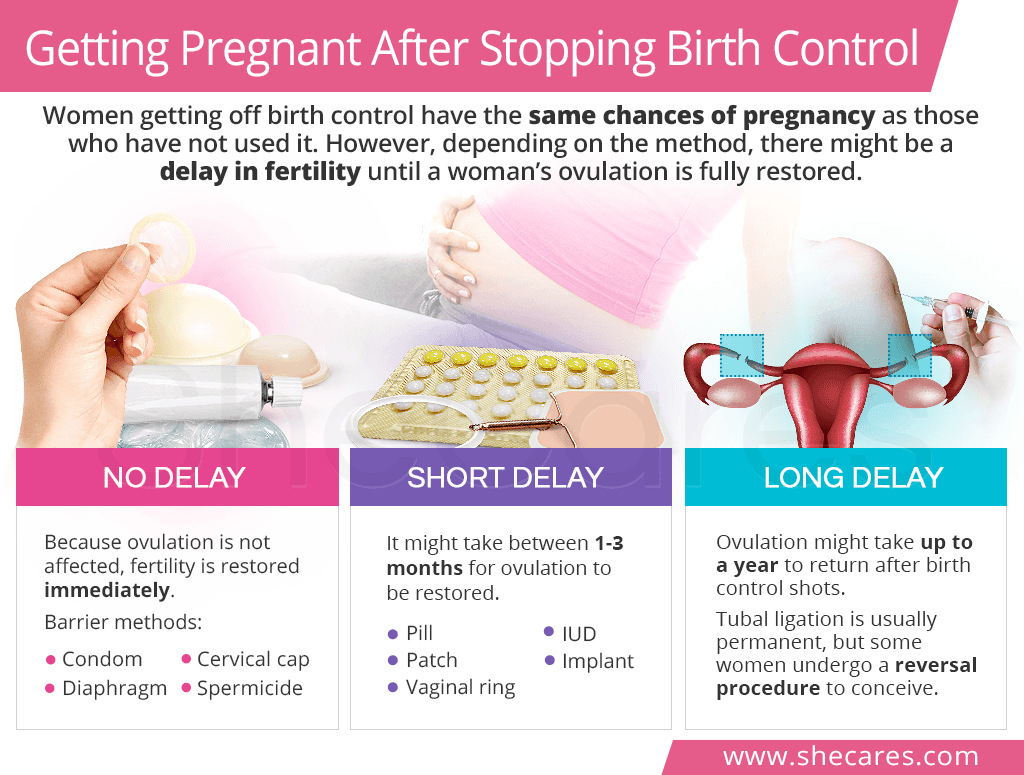 www.shecares.combirth pregnant control after getting stopping pregnancy chances off shecares
12 Tips On How To Stop Gaining Weight After Stopping Birth Control
 www.focusfitness.netgaining birth
Birth pregnant control after getting stopping pregnancy chances off shecares. Chances of getting pregnant after getting off birth control. Gaining birth